
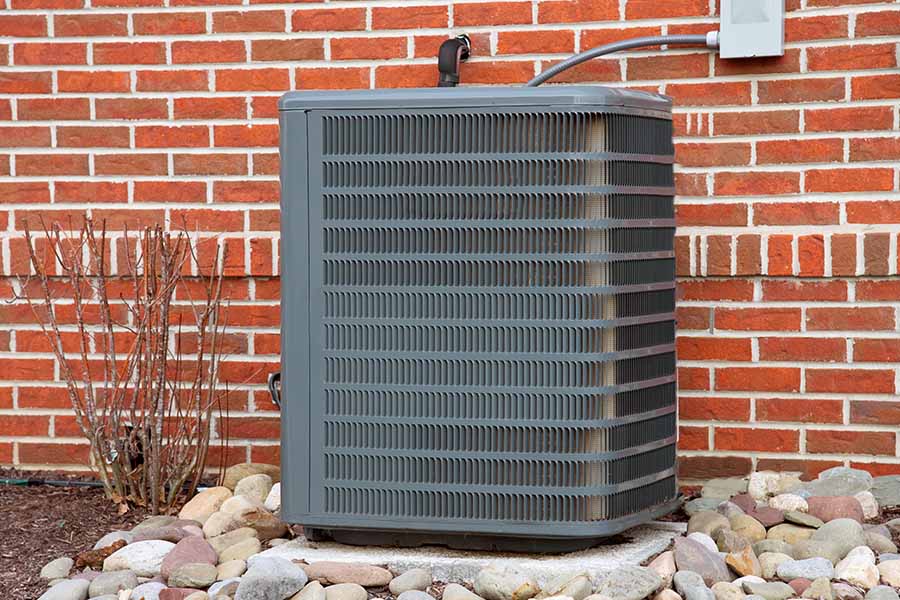
Your home’s comfort is like a well-tuned instrument; every part needs to harmonize for optimal performance. To guarantee your AC installation in Spring, TX, is energy-efficient, you should start by evaluating your cooling needs. But that’s just the beginning. What comes next can greatly impact both your energy bills and the lifespan of your system. Are you ready to investigate the crucial steps that will lead to a more efficient cooling solution?
- Assess Your Home’s Cooling Needs
How do you know if your home’s cooling needs are being met? Start by observing the temperature in each room. If some areas feel warmer than others, your AC mightn’t be sufficient.
Check for drafts around windows and doors; these can contribute to uneven cooling. You should also monitor your energy bills. A sudden spike may indicate your system’s working harder than it should.
Next, consider the age and efficiency of your current unit. Older models often struggle to keep up with demand, leading to discomfort and wasted energy.
Don’t forget to evaluate your home’s insulation and ventilation; they play a vital role in maintaining a comfortable climate.
Finally, keep an eye on humidity levels. High humidity can make your space feel warmer, affecting your cooling needs.
- Choose the Right Size AC Unit
If you’ve assessed your home’s cooling needs and found that your current system isn’t cutting it, it’s time to contemplate the size of your AC unit. Choosing the right size is vital for peak efficiency.
An oversized unit cools too quickly, leading to increased humidity and higher energy bills. Conversely, a unit that’s too small struggles to maintain your desired temperature, resulting in constant running and wear on the system.
To determine the ideal size, consider your home’s square footage, the number of windows, insulation quality, and local climate. A professional can help calculate the BTUs (British Thermal Units) needed for your space.
When you choose the right size AC unit, you’ll boost comfort, improve energy efficiency, and extend the lifespan of your system. Don’t overlook this step—getting it right guarantees you’ll enjoy a cool, efficient home all summer long!
- Select an Energy-Efficient Model
When you’re ready to select an energy-efficient model for your new AC unit, consider the unit’s Seasonal Energy Efficiency Ratio (SEER) rating, which measures its cooling efficiency. A higher SEER rating means better energy savings, helping you cut down on those monthly utility bills.
Keep these points in mind while choosing:
- Look for units with a SEER rating of 16 or higher for maximum efficiency.
- Check for Energy Star certification, which indicates approved energy savings.
- Consider variable-speed compressors for more precise temperature control and lower energy consumption.
- Evaluate additional features like smart thermostats that can improve efficiency.
- Research and Compare Brands
When you’re researching and comparing AC brands, start by evaluating their energy efficiency ratings to guarantee you choose a model that saves you money in the long run. Next, consider the system size requirements for your space to avoid over- or under-conditioning your home. Finally, analyze the warranty options offered to protect your investment and guarantee peace of mind. Additionally, ensure that the brand you choose complies with state regulations to avoid any legal issues down the line.
Evaluate Energy Efficiency Ratings
As you consider energy-efficient air conditioning options, evaluating energy efficiency ratings becomes crucial in making an informed choice. The efficiency of an AC unit typically falls under two key ratings: SEER (Seasonal Energy Efficiency Ratio) and EER (Energy Efficiency Ratio). Higher ratings indicate better efficiency, which can lead to significant savings on energy bills.
Here are some factors to keep in mind while comparing brands:
- Look for the ENERGY STAR label: This signifies compliance with energy efficiency standards.
- Compare SEER and EER ratings: Higher numbers usually mean better efficiency.
- Research brand reliability: Read reviews and check warranties.
- Assess features: Consider models with smart technology that optimizes energy use.
Taking these steps guarantees you choose the best option for your needs.
Consider System Size Requirements
Choosing the right system size for your air conditioning unit is essential to maximizing efficiency and comfort in your home. An improperly sized unit can lead to higher energy bills and inconsistent temperatures.
To find the best fit, you’ll want to take into account the square footage of your space, ceiling height, and insulation quality. Using a load calculation can help determine the exact capacity you need.
Once you’ve got the necessary specifications, research different brands to find reliable options that meet your size requirements. Compare features, energy efficiency ratings, and warranty options.
Don’t forget to read customer reviews for real insights on performance and reliability. Making an informed choice will guarantee your new AC system runs efficiently and keeps your home comfortable all summer long.
Analyze Warranty Options Offered
After determining the right size for your air conditioning unit, the next step is to analyze the warranty options available from different brands.
A solid warranty can save you money and hassle in the long run, so it’s crucial to compare what various manufacturers offer. Look for warranties that cover both parts and labor, as this can provide peace of mind.
Here are some factors to take into account:
- Length of Coverage: Check if it’s a limited or extended warranty.
- Transferability: See if the warranty can be transferred to a new homeowner.
- Exclusions: Understand what’s not covered under the warranty.
- Claim Process: Research how easy it is to file a claim if needed.
- Schedule Professional Installation
When it comes to ensuring your air conditioning system runs efficiently, scheduling a professional installation is crucial. Hiring experts not only guarantees that your unit is installed correctly but also helps you avoid costly mistakes that can arise from DIY attempts.
Professionals have the training and experience needed to assess your home’s unique cooling needs, ensuring you choose the right system size and type.
Crew Heating & Cooling, for instance, provides reliable installation services that focus on clear communication and honesty. They’ll walk you through the process, explaining every step along the way.
Plus, their upfront pricing means you won’t encounter any hidden fees.
- Ensure Proper Ductwork Inspection
Professional installation sets the stage for an efficient air conditioning system, but it’s just as essential to verify your ductwork is up to par.
Poor ductwork can lead to energy loss, uneven cooling, and increased utility bills. Before you finalize your AC installation, make sure your ductwork undergoes a thorough inspection.
Here are some key aspects to check:
- Air Leaks: Look for gaps and holes that can waste energy.
- Insulation: Make certain ducts are properly insulated, especially in unconditioned spaces.
- Size and Design: Confirm that the duct size matches your AC unit’s capacity.
- Cleanliness: Inspect for dust and debris that can restrict airflow.
- Optimize Your Home’s Insulation
If you want to maximize your air conditioning system’s efficiency, optimizing your home’s insulation is crucial. Good insulation keeps cool air inside during the hot Texas summers and prevents warm air from seeping in.
Start by checking your attic and walls for adequate insulation levels. If you notice gaps or insufficient material, consider adding more insulation to improve thermal resistance.
Don’t forget to inspect windows and doors. Weatherstripping can seal drafts, while energy-efficient windows boost insulation.
Additionally, look for areas where pipes and electrical wires enter your home; sealing these gaps can further reduce energy loss.
Finally, remember that proper insulation not only boosts your AC’s efficiency but also increases your home’s comfort. A well-insulated home helps maintain a consistent temperature, reducing the workload on your system.
- Regular Maintenance and Tune-Ups
To keep your air conditioning system running efficiently, regular maintenance and tune-ups are vital. Regular tune-ups also help catch small issues early, reducing the likelihood of unexpected AC repair needs during the peak summer months.
By investing a little time and effort, you can greatly extend your system’s lifespan and improve its performance.
Consider these key maintenance tasks:
- Change or clean filters regularly to improve airflow and efficiency.
- Inspect and clean the condenser and evaporator coils to prevent overheating.
- Check and tighten electrical connections for safe operation.
- Evaluate refrigerant levels to guarantee ideal cooling.
With Crew Heating & Cooling, you’ll receive thorough inspections and tune-ups tailored to your system’s needs.
Our $129 maintenance plan makes it easy to keep your AC in top shape. By prioritizing regular maintenance, you not only guarantee a comfortable home environment but also contribute to energy efficiency, ultimately saving you money on utility bills.
Don’t overlook this vital step!
- Utilize Smart Thermostats
Smart thermostats can transform how you manage your home’s temperature and energy use.
With programmable scheduling features, you can set your AC to run only when you need it, saving energy and money.
Plus, energy usage monitoring helps you stay informed about your consumption habits, allowing for smarter adjustments.
Programmable Scheduling Features
While you may be wondering how to improve your home’s energy efficiency, utilizing programmable scheduling features through smart thermostats can make a significant difference.
These devices allow you to set specific heating and cooling schedules, ensuring your system runs only when needed. By programming your thermostat, you can optimize energy use even when you’re not home.
Here are some benefits of using programmable scheduling features:
- Adjust temperatures automatically based on your daily routine.
- Save energy by reducing heating or cooling during off-peak hours.
- Enhance comfort by pre-cooling or heating your home before you arrive.
- Receive reminders for maintenance, helping keep your system running efficiently.
Implementing these features can lead to noticeable energy savings and improved comfort.
Energy Usage Monitoring
By monitoring your energy usage with a smart thermostat, you can gain valuable insights into your home’s heating and cooling patterns.
These devices learn your habits, adjusting temperatures automatically when you’re home or away, ensuring efficiency. You can track your energy consumption in real-time, identifying peak usage times and areas that might need improvement.
With remote access, you can easily adjust settings from your smartphone, even when you’re not home. This flexibility helps you avoid wasting energy, ultimately lowering your utility bills.
Plus, many smart thermostats offer reports that highlight trends, guiding you in making knowledgeable choices about your HVAC settings.
Embracing this technology not only improves comfort but also supports your goal of an energy-efficient home.
- Monitor Energy Consumption
To guarantee your energy-efficient AC system operates at its best, regularly monitoring energy consumption is essential. Keeping a close eye on your energy usage helps you identify any inefficiencies and make sure your system is functioning at its peak.
Here are a few tips to effectively monitor your consumption:
- Use a Smart Thermostat: These devices track your energy usage and can provide insights into your system’s performance.
- Check Your Utility Bills: Review your monthly bills for any unusual spikes in energy costs; it might indicate a problem with your AC.
- Conduct Regular Inspections: Schedule routine maintenance checks with professionals like Crew Heating & Cooling to catch issues early.
- Track Usage Patterns: Notice when your AC runs most; this can help you adjust settings for better efficiency.
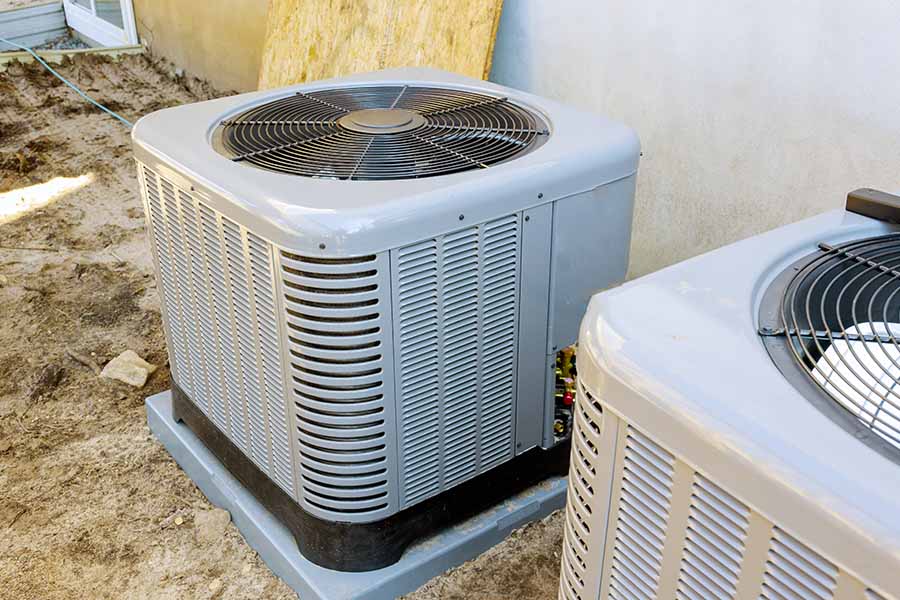
Conclusion
By following these steps, you’re not just installing an air conditioner; you’re planting the seeds for a cooler, more energy-efficient home. Think of your AC as a guardian against the Texas heat, working tirelessly to keep your space comfortable while saving you money. With the right size, model, and maintenance, you’ll create a revitalizing oasis that stands strong against rising energy costs. So, take action now, and let your home breathe easy this summer!