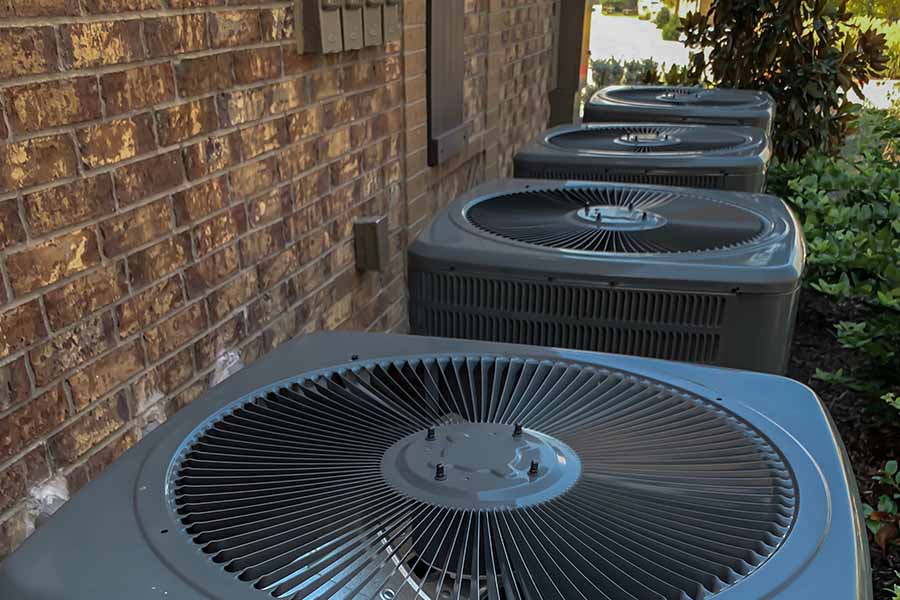
When it comes to installing an energy-efficient AC system in Humble, TX, there are several vital steps you need to follow. Start by evaluating your cooling needs and understanding the importance of selecting the right unit. It’s not just about comfort; it’s also about efficiency and cost savings. But how do you guarantee that every aspect, from the installation to ongoing maintenance, is handled correctly? Let’s explore these essential steps together.
Assessing Your Cooling Needs
How do you know what cooling capacity you really need for your space? Start by measuring the square footage of the area you want to cool. Generally, a rule of thumb is that you need about 20 BTUs per square foot.
Consider factors like ceiling height, insulation quality, and the number of windows, as these can greatly affect your cooling needs.
Next, evaluate the number of occupants. More people generate additional heat, increasing your cooling demand. If you have appliances that produce heat or extensive sunlight exposure, factor those in too.
Finally, think about your lifestyle. If you’re often home during the day or prefer a cooler environment, you might need a system with greater capacity. Additionally, consulting with professional HVAC services can help you assess your specific needs and identify the best system for your home.
Choosing the Right AC Unit
After evaluating your cooling needs, it’s time to choose the right AC unit that fits those requirements. Start by considering the size of your space; an oversized or undersized unit can lead to inefficiency. You’ll want to select a unit with the right cooling capacity, measured in BTUs, to guarantee peak performance.
Next, think about the type of AC unit that suits your lifestyle. Central units provide whole-home cooling, while ductless mini-splits are perfect for targeted areas.
Don’t overlook the features! Look for options that offer programmable settings, quiet operation, and advanced air filtration.
Finally, budget plays a vital role. Balance upfront costs with potential energy savings over time. By carefully selecting your AC unit, you’ll maximize comfort and efficiency while minimizing energy bills. Additionally, consider scheduling routine maintenance calls to ensure your new system operates efficiently throughout its lifespan.
If you’re unsure, consult with professionals at Crew Heating & Cooling to guide you through the selection process and help you make an informed decision.
Understanding Energy Efficiency Ratings
When you’re shopping for an air conditioning unit, understanding energy efficiency ratings is essential.
The Seasonal Energy Efficiency Ratio (SEER) tells you how well the unit uses energy over a season, while Energy Star certification indicates that it meets strict efficiency guidelines.
Knowing these ratings helps you make an informed choice that saves you money and reduces your environmental impact. Additionally, it’s important to consider routine furnace maintenance to ensure optimal performance and longevity of your HVAC system.
SEER Ratings Explained
Understanding SEER ratings, or Seasonal Energy Efficiency Ratio, is essential when choosing an energy-efficient air conditioning system. SEER measures how efficiently your AC unit converts electricity into cooling over a season.
Higher SEER ratings indicate better energy efficiency, which can lead to lower utility bills and a reduced carbon footprint.
Here are a few key points to take into account:
- SEER ratings typically range from 13 to 25.
- Higher SEER units cost more upfront but save money long-term.
- Units with a SEER above 14 qualify for tax credits.
- Look for models with variable-speed compressors for better efficiency.
- Regular maintenance helps maintain your unit’s SEER performance.
Choosing the right SEER rating can greatly affect your comfort and savings!
Energy Star Certification
Energy Star certification is a reliable indicator of energy efficiency that can help you make informed decisions when selecting an air conditioning unit.
When you choose an AC unit with this certification, you’re opting for a model that meets strict energy efficiency guidelines set by the U.S. Environmental Protection Agency. These units typically consume less energy, which can lead to lower utility bills and a reduced environmental impact.
Plus, Energy Star-certified systems often deliver better performance and comfort. Always look for the Energy Star label when shopping for your AC, as it signifies a smart investment in energy efficiency.
You can enjoy a cooler home while being environmentally conscious with the right choice.
Selecting a Qualified HVAC Professional
When it comes to selecting a qualified HVAC professional, you need to start by verifying their licenses and certifications. Don’t forget to check their experience and expertise, as this can greatly impact the quality of your installation. Finally, assess their communication skills—clear communication is key to a smooth and successful project. Additionally, ensure they follow cost-saving measures that provide affordable solutions without compromising on quality.
Verify Licenses and Certifications
Before hiring an HVAC professional, it’s crucial to verify their licenses and certifications. This step guarantees you’re working with a qualified expert who meets industry standards.
Here’s what to check:
- State Licenses: Confirm they hold a valid HVAC license in Texas.
- Certifications: Look for certifications from reputable organizations, like NATE or EPA.
- Insurance: Verify they’ve liability insurance to protect you from potential damages.
- Bonding: Check if they’re bonded, which adds an extra layer of security.
- Continuing Education: Inquire about their ongoing training to stay updated on the latest technologies.
Verifying these credentials can save you from future headaches and guarantee a smooth installation process.
Check Experience and Expertise
Finding the right HVAC professional isn’t just about checking licenses; it’s also crucial to assess their experience and expertise.
Look for a technician who’s worked on various AC systems and has a solid track record in energy-efficient installations. Ask about their years in the industry, and don’t hesitate to request references from past clients.
A knowledgeable professional should understand local climate challenges and recommend suitable systems for your home. Additionally, inquire about their training and any specialized certifications they hold.
By evaluating their experience and expertise, you’ll ascertain you’re hiring someone capable of delivering high-quality service, ultimately leading to a successful and efficient AC installation.
Your comfort and satisfaction depend on it!
Assess Communication Skills
Effective communication is key in selecting a qualified HVAC professional. You want someone who not only understands your needs but can also explain the process clearly. Pay attention to how they communicate during initial interactions.
Here are some signs of strong communication skills:
- They listen to your questions and concerns.
- They provide detailed explanations without jargon.
- They respond promptly to calls or emails.
- They offer transparent pricing and service details.
- They check in with you during the installation process.
Choosing an HVAC professional with excellent communication skills guarantees you’re informed every step of the way.
This approach leads to a smoother installation and a more positive experience overall. Don’t underestimate the value of clear communication in your HVAC journey!
Scheduling the Installation
Once you’ve decided to upgrade your air conditioning system, scheduling the installation is an essential next step.
It’s important to choose a date that suits both your availability and the installation team’s schedule. Consider opting for a time when you won’t be in a rush, allowing the technicians to work efficiently.
When you contact Crew Heating & Cooling, be ready to discuss your preferred dates and any specific requirements you have.
They’ll provide upfront pricing, so you won’t encounter surprise costs. Make sure to confirm the duration of the installation, as it can vary based on the complexity of your new system.
Clear communication is key; don’t hesitate to ask questions.
Once you’ve scheduled the installation, mark it on your calendar and prepare for a smoother, more energy-efficient home environment.
Trust the process, and you’ll soon enjoy the benefits of your new air conditioning system.
Preparing Your Home for Installation
Before the installation team arrives, preparing your home is crucial to guarantee a smooth process.
Taking these steps will help make sure everything goes off without a hitch:
- Clear the area around the indoor and outdoor unit locations to provide ample space for the technicians.
- Remove any fragile items nearby to prevent damage during installation.
- Keep pets secured in a separate room, away from the work area, to ensure their safety and minimize distractions.
- Facilitate easy access to your electrical panel and any other necessary utilities for a hassle-free installation.
- Communicate any specific concerns with your installation team beforehand, so they can address them promptly.
Proper Ductwork Considerations
When it comes to proper ductwork, you need to focus on optimizing the duct size for your system.
Sealing and insulating ducts can greatly improve your AC’s efficiency and reduce energy costs.
Let’s explore how these considerations make a difference in your installation.
Duct Size Optimization
Proper duct size adjustment is crucial for maximizing your HVAC system’s efficiency and guaranteeing consistent airflow throughout your home.
When your ducts are the right size, it helps maintain a comfortable temperature while reducing energy costs.
Here are key factors to evaluate for ideal duct sizing:
- Airflow Needs: Calculate the required airflow for each room.
- Duct Material: Choose durable materials that minimize pressure loss.
- Duct Layout: Design a layout that reduces bends and turns.
- System Compatibility: Verify duct sizes match your AC unit’s specifications.
- Professional Assessment: Consult an HVAC expert for precise measurements.
Sealing and Insulation
Ensuring your ductwork is well-sealed and properly insulated can greatly enhance your HVAC system’s efficiency. Air leaks in your ducts can waste energy and money, leading to higher utility bills.
Take the time to inspect your ductwork for gaps, holes, or loose connections. Use mastic sealant or metal tape to seal any leaks you find.
Proper insulation is equally important; it helps maintain the temperature of the air as it travels through your ducts. Insulate ducts in unconditioned spaces, like attics or crawl spaces, to prevent energy loss.
Ensuring Proper Insulation
To achieve ideal energy efficiency in your air conditioning system, you need to prioritize insulation throughout your home. Proper insulation helps maintain your desired indoor temperature and minimizes energy loss.
Here are some key areas to focus on:
- Attic Insulation: Confirm your attic is well-insulated to prevent heat from escaping or entering.
- Wall Insulation: Check that your walls have adequate insulation to keep your home comfortable year-round.
- Windows and Doors: Use weather stripping or caulking to seal gaps around windows and doors.
- Duct Insulation: Insulate ducts to minimize energy loss as air travels through your home.
- Basement and Crawl Space: Insulate these areas to prevent cold air from seeping in.
Testing the System After Installation
Once your new air conditioning system is installed, it’s crucial to test it thoroughly to confirm everything operates smoothly.
Start by checking the thermostat settings to verify they’re accurate. Set the thermostat to your desired temperature and listen for the system to kick in. Monitor airflow from the vents; it should be consistent and cool.
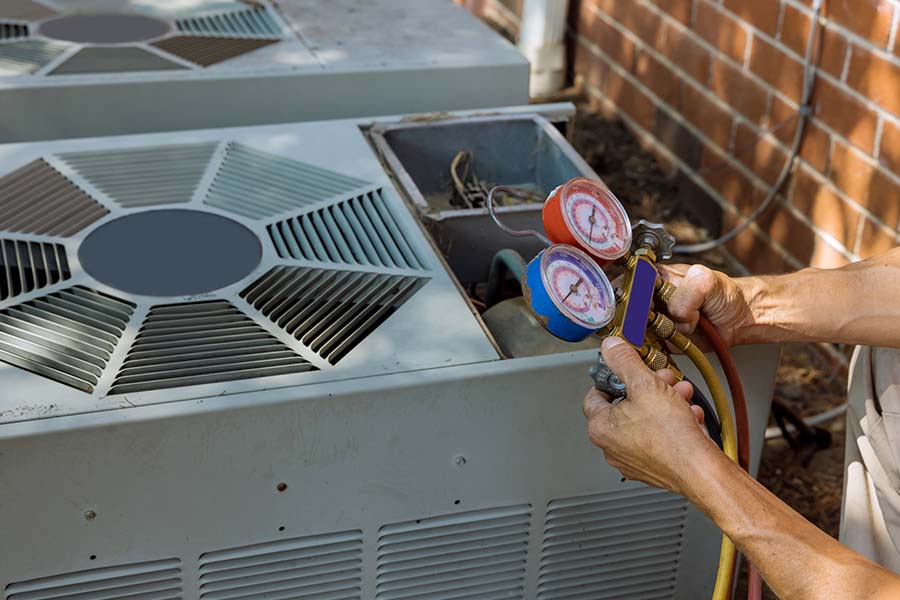
Next, examine the refrigerant lines for any leaks or unusual noises. If you hear hissing or bubbling sounds, it might indicate a problem. Pay attention to the system’s energy consumption, as it should operate efficiently without excessive spikes in your electricity bill.
Finally, inspect the drainage system to ensure water flows correctly, preventing potential leaks.
Setting Up a Maintenance Plan
A solid maintenance plan can make all the difference in keeping your air conditioning system running smoothly. By scheduling regular check-ups, you’ll not only extend your system’s lifespan but also improve its efficiency.
Here’s how you can set up an effective maintenance plan:
- Choose a reputable provider: Opt for a company like Crew Heating & Cooling, known for its honest service.
- Schedule seasonal inspections: Make it a habit to have your AC checked before summer kicks in.
- Change filters regularly: Keep your air clean and your system efficient by swapping filters every 1-3 months.
- Keep outdoor units clear: Guarantee there’s no debris blocking airflow around your unit.
- Document service history: Track repairs and maintenance for future reference.
Conclusion
To summarize, investing time and effort into your AC installation can pay off immensely. Remember, “an ounce of prevention is worth a pound of cure.” By following these essential steps, you’ll guarantee your system runs efficiently, saving you money on energy bills and prolonging its lifespan. Don’t hesitate to reach out to a qualified HVAC professional to get started. With the right approach, you can enjoy a cool, comfortable home all summer long!